
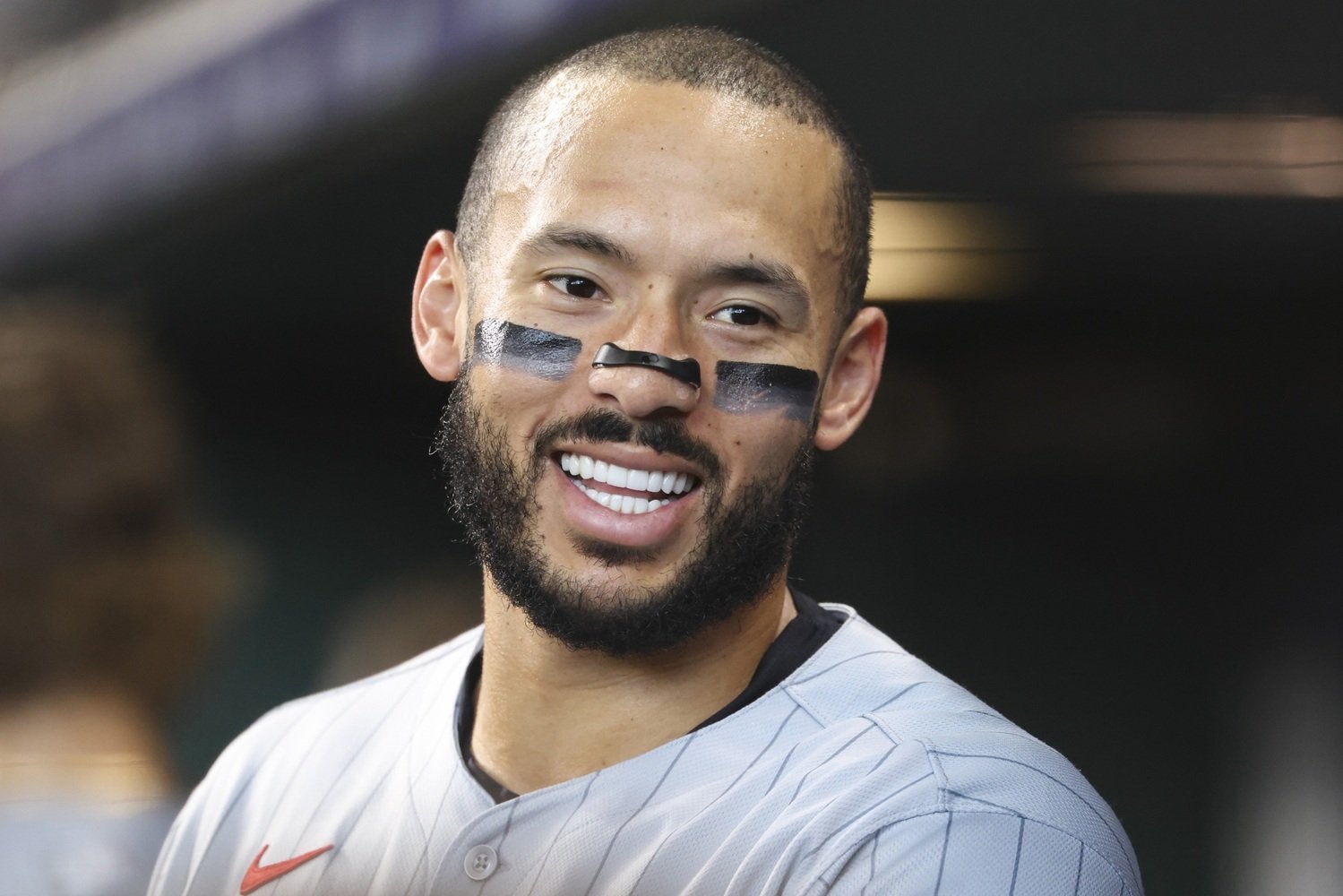
Correa’s time in Minnesota never fit neatly into a single narrative. He was the steady hand that helped guide the franchise to its first playoff series win in two decades. He was also the player battling plantar fasciitis, looking like a different version of himself for stretches that mattered. At his peak, he was everything the Twins hoped for when they signed him, including a 5.3 rWAR season in 2022 and a dominant first half in 2024 that led to his only All-Star appearance with the organization. At his worst, he embodied the risk that comes with tying so much payroll to one player with durability questions.
So now that the dust has settled, the question is unavoidable. Would the 2026 Twins actually be better if they had just kept him?
Payroll Implications
Moving on from Correa was supposed to create flexibility. Instead, it created an absence. The payroll dropped from $136 million in 2025 to $107 million in 2026, and those savings weren’t meaningfully reinvested.
There is also a harsher reality. Trading López before his season-ending elbow injury might have been the most pragmatic move in that alternate timeline. It is the kind of cold calculation teams convince themselves is necessary when a superstar contract sits on the books.
Instead, the Twins chose financial relief without roster optimization. The result is a leaner payroll that does not necessarily translate to a more competitive team.
Roster Implications
In other words, the roster would not just look different. It would feel different. Less flexible in some ways, more top-heavy in others, and heavily dependent on Correa anchoring everything.
Correa’s 2026 Performance
Back in Houston, Correa has quietly begun writing a new chapter. The Astros shifted him to third base, a move that may prove to be as important as the trade itself. Through the first 11 games, he is hitting .262/.354/.381 with a .735 OPS and a 116 OPS+, while providing above-average defense at the hot corner.
It is fair to wonder how much of that success is tied to context. Playing third base reduces the physical toll. Playing in a more familiar environment may also help. And perhaps most importantly, he is not dealing with early-season games in Minnesota weather while handling the demands of shortstop every day.
Would he be producing the same numbers with the Twins right now? Maybe. But it feels just as likely that the conversation would once again center on health management and workload.
Revisionist history rarely offers clean answers, and this case is no different. Keeping Correa would have given the Twins a higher ceiling on paper. A healthy version of Correa still raises the floor and the expectations of the entire roster.
But that version comes with trade-offs. The pitching depth might look thinner. The lineup might feel less balanced. And the financial pressure would force difficult decisions that could reshape the roster in ways that are just as uncomfortable as the reality fans are watching now.
In the end, the more frustrating truth is not that the Twins traded Correa. It is that they never fully capitalized on the freedom it offered. The question is not just whether they would be better with him. It is whether they did enough to justify living without him.
Would the Twins have been better with Correa in 2026? Leave a comment and start the discussion.